A cycling route planner that plans your way
This is a small proof of concept exploring a different way to think about cycling routes.
Most route planners are very good at getting you from A to B. Where they struggle is helping you choose which roads you actually want to ride, especially once you’ve been cycling for a while and have strong opinions about what works and what doesn’t.
This POC focuses on a few simple ideas.
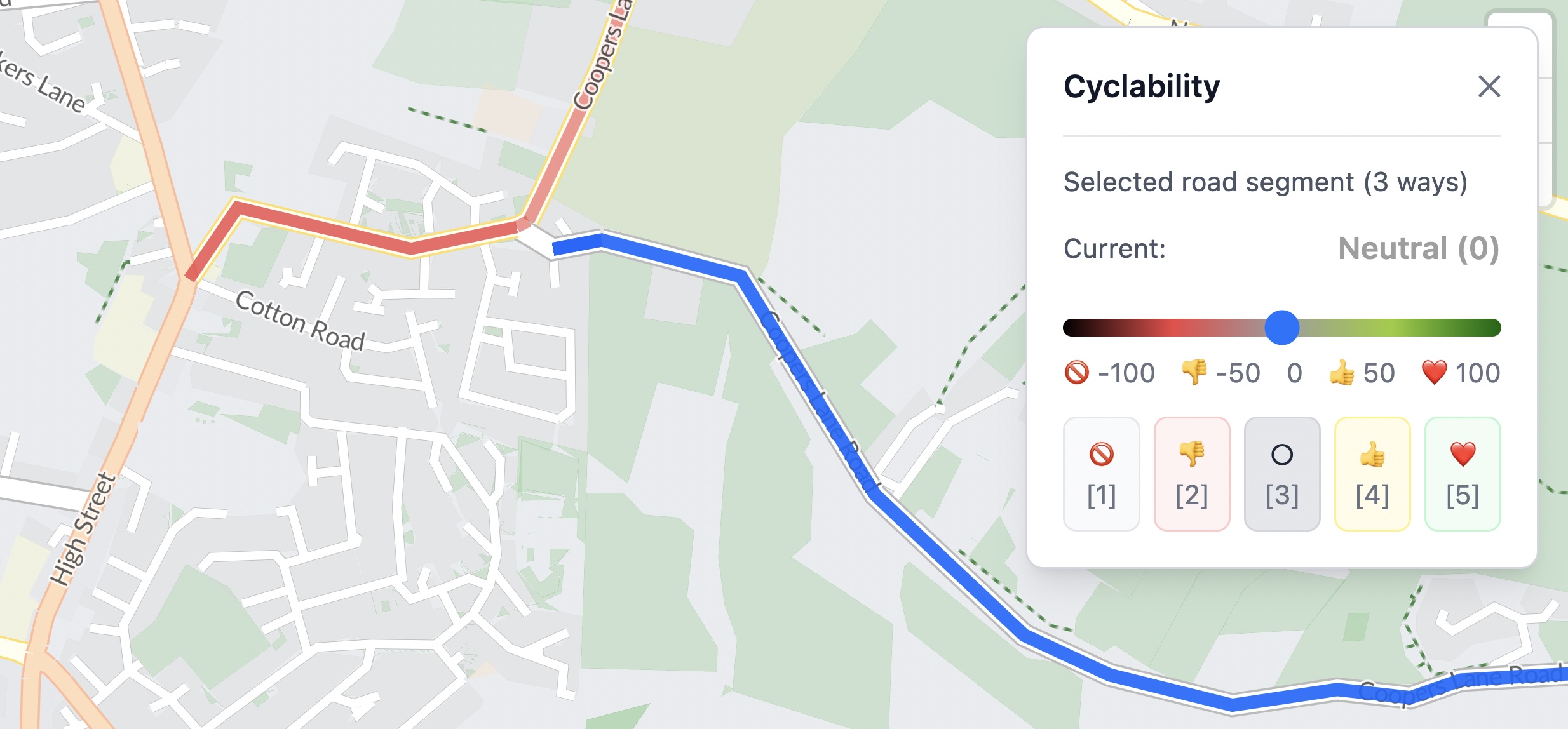
Routes shouldn’t start from scratch every time.
You already have roads you like, roads you tolerate, and roads you actively avoid. Over time, you also build up a mental map of where you’ve been before and what kind of ride it turned out to be.
This experiment tries to bring that context into route planning.
Roads and paths aren’t treated as all equal. They’re classified loosely based on how people feel about riding them, whether they’re enjoyed, acceptable, or something you’d rather not repeat. There’s no heavy tagging or long explanations, just a lightweight signal based on real rides.
That signal applies immediately to your own routes.
If there are roads you consistently dislike, they fade out of your plans. If there are roads you enjoy, they’re more likely to show up again. Over time, the map starts to reflect your riding preferences, rather than a generic profile.
At the same time, aggregated feedback helps highlight patterns. Roads that look fine on paper but are widely avoided become easier to spot, while genuinely pleasant stretches stand out more naturally.
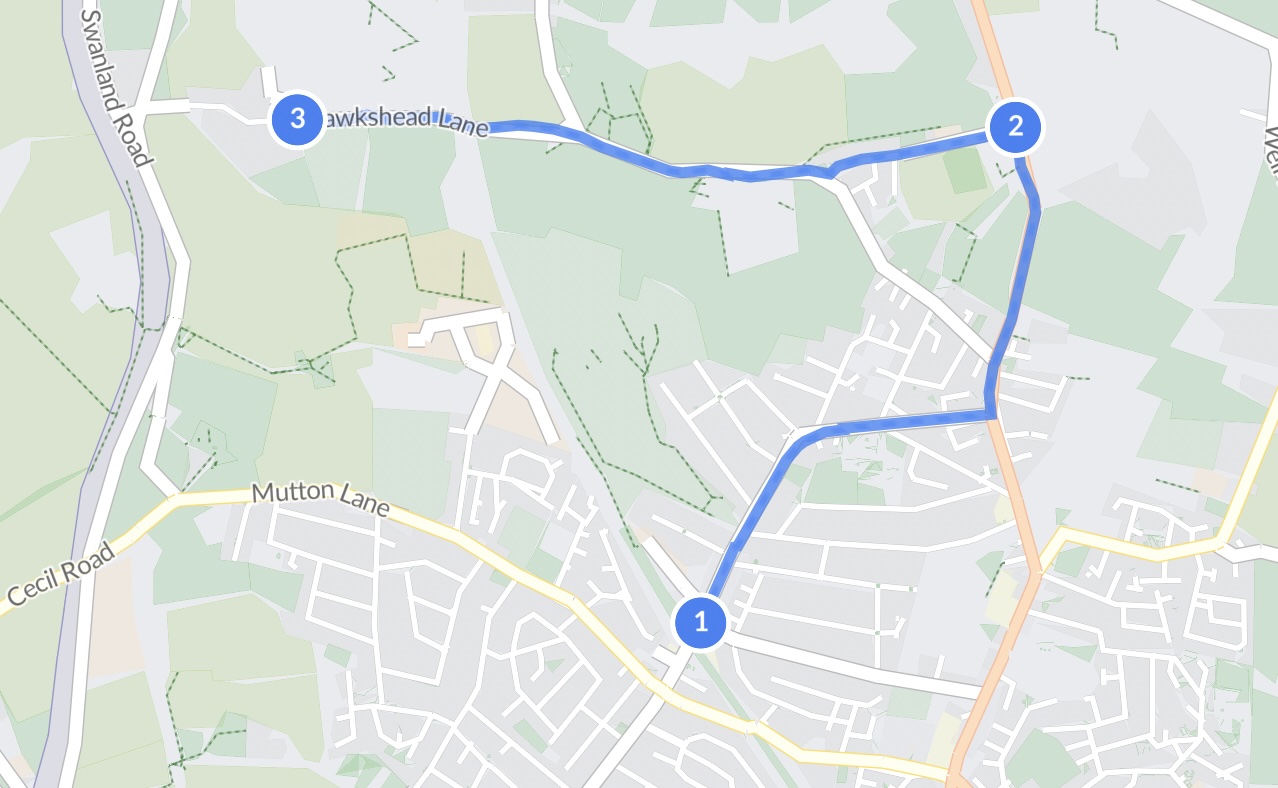
The goal isn’t to lock you into the same loop forever. It’s the opposite.
The idea is to make it easier to keep things fresh without rolling the dice every time. Whether you’re planning a quick ride with limited time or a longer route where comfort and flow matter more, the hope is that the suggestions feel more predictable and less risky.
You should be able to explore new options while staying anchored to what you already know works.
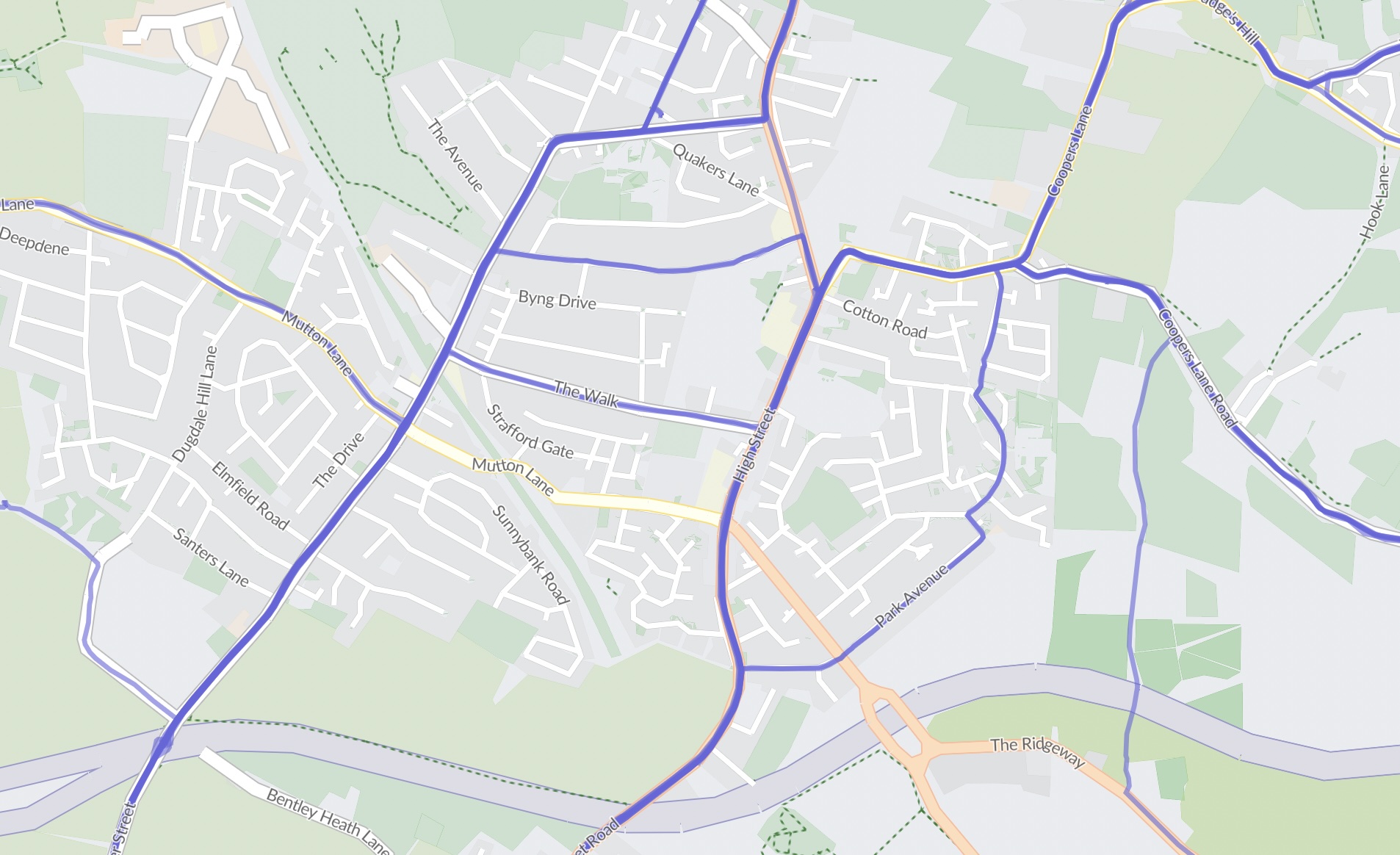
This is early and intentionally limited. It’s a side project, built to test whether these signals actually help when planning real rides, not to replace existing tools or solve everything at once.
If it turns out that recognising liked, disliked, and avoided roads makes route planning calmer and more reliable, then it’s a direction worth building on.